
Personality development involves growing traits like confidence, communication and adaptability through education and practice. In this guide, we explore what personality development means, why it’s critical today, and evidence-based strategies for self-improvement. By following proven confidence and communication techniques, adopting healthy daily habits and time-management strategies, and avoiding common pitfalls, students and young professionals can build a strong, vibrant personality to excel in modern careers. This 3000+ word guide combines expert advice and research findings to help you start your growth journey with clarity and confidence.
What is Personality Development?
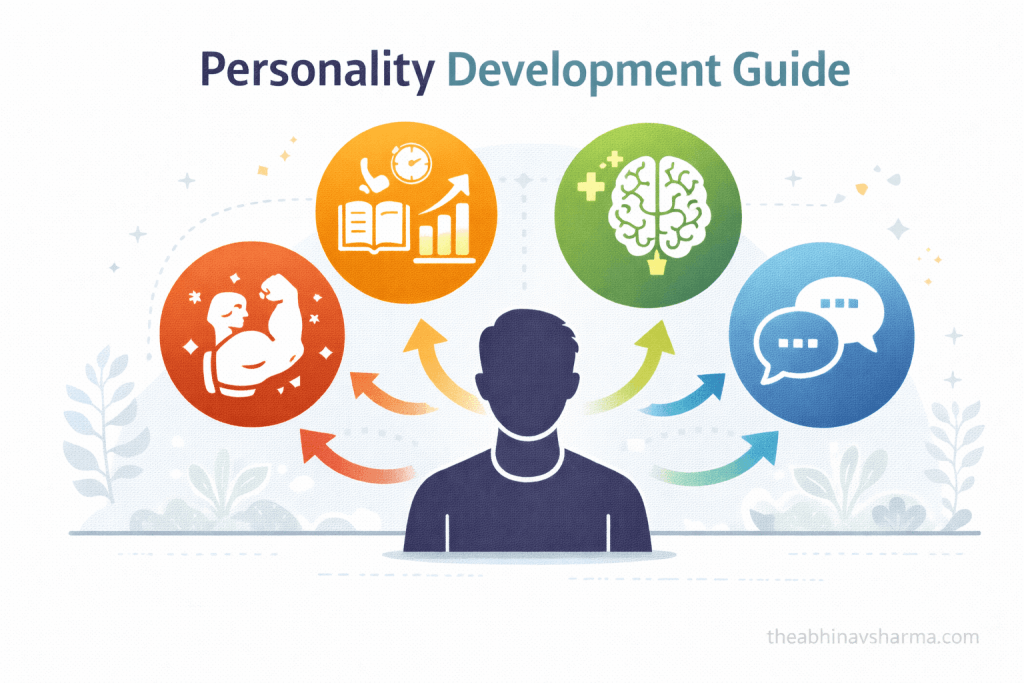
Personality development is the continuous process of improving the qualities that define how you think, behave, communicate, and interact with others. It includes the development of emotional intelligence, confidence, discipline, communication skills, and a growth-oriented mindset.
A person’s personality is not fixed. It evolves with experiences, habits, and conscious self-improvement. Students and young professionals who actively work on their personality often develop stronger leadership abilities, better relationships, and greater career opportunities.
Personality development is not about changing who you are. It is about becoming the best version of who you already are.
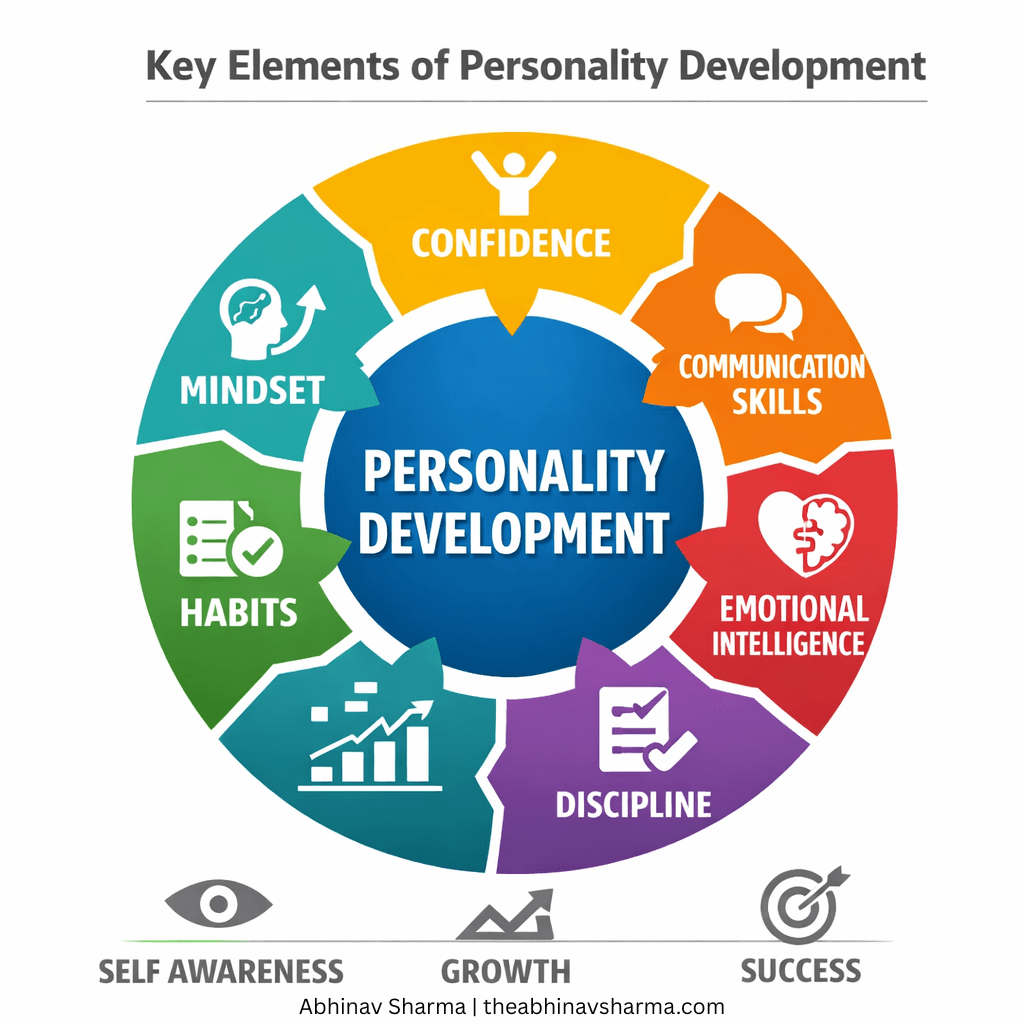
Key components of personality development include:
• Self-awareness
• Emotional intelligence
• Communication skills
• Confidence and self-esteem
• Discipline and habits
• Adaptability and resilience
When these elements improve together, they create a balanced and strong personality.
You can also explore the 10 essential qualities of personality development that build a strong personality foundation.
Why Personality Development Matters in Modern Careers
Investing in personality development pays off in today’s fast-paced world. Employers and peers often look beyond technical skills: they value confidence, clear communication, and professionalism. Studies and expert guides highlight several career benefits of a strong personality:
- Better Communication: A developed personality improves how you convey ideas and listen. Lumino Consultancy notes that “strong communication is vital in any career,” and personality growth “helps you express your thoughts clearly and listen actively”. Clear communicators make fewer mistakes, collaborate smoothly, and are more likely to be seen as leaders.
- Increased Confidence: When you develop self-awareness and positive habits, your self-esteem rises. As students feel more capable, they tackle challenges rather than shrink from them. One guide explains that “a well-developed personality boosts your self-esteem. When you believe in yourself, you are more likely to take risks and seize opportunities”. This confidence can lead to better grades, successful interviews, and advancement at work.
- Stronger Relationships: Good interpersonal skills – such as empathy and teamwork – stem from personality development. These skills “foster better relationships with colleagues, clients, and superiors,” which makes work more enjoyable and productive. In group projects or new jobs, people with strong social skills build trust quickly and become valued teammates.
- Adaptability: Modern careers change rapidly with new technologies and global shifts. Personality development cultivates flexibility and resilience. For example, Lumino Consultancy emphasizes that “the workplace is constantly changing. A strong personality allows you to adapt to new challenges and environments with ease”. Adaptable individuals handle stress better and stay relevant by learning continuously.
- Leadership Potential: Confidence, empathy and decisiveness are leadership traits often developed through personal growth. The ability to inspire others comes from self-assurance and good communication. Even in entry-level roles, those who take initiative and demonstrate integrity (hallmarks of personality development) stand out as future leaders.
In short, personality development gives you an edge in interviews, teamwork, and job performance. It helps you present the best version of yourself in resumes, meetings and networking. As one career blog puts it, improving your character “can make a significant difference” in success. Whether aiming for a scholarship, an internship or your first full-time job, a strong personality makes your achievements more visible and your career journey smoother.
Confidence-Building Techniques
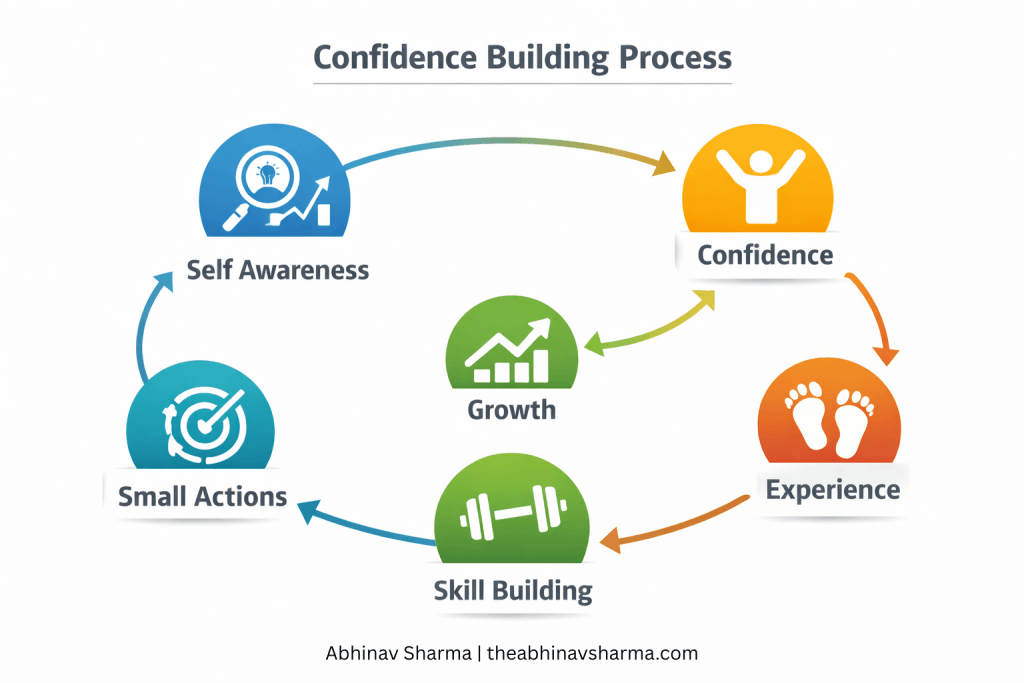
Building confidence is a cornerstone of personality development. Confidence comes from a combination of mindset shifts and practical habits. The following research-backed techniques can help students and young professionals feel more self-assured:
- Healthy Lifestyle: Physical well-being supports mental confidence. Prioritize 7–9 hours of sleep per night, regular exercise, and balanced nutrition. Arizona State University advises that adequate sleep makes you happier and sharper, enabling better focus and decision-making. Likewise, daily exercise (even a brisk 30-minute walk) elevates mood and energy, which feeds into higher self-esteem. A healthy diet (whole grains, fruits, lean proteins) stabilizes blood sugar and mental clarity. When your body feels strong and alert, you naturally feel more confident tackling challenges.
- Positive Self-Talk: Replace self-doubt with encouraging inner dialogue. Practicing positive affirmations has real benefits. Researchers note that speaking kindly to yourself activates brain pathways that reduce stress and enhance focus. For example, affirming phrases like “I am improving each day” or listing things you’re grateful for can counter negative thoughts and build a growth mindset. In fact, frequent self-criticism has been linked to anxiety and depression, whereas adopting self-compassion leads to greater flexibility and persistence. By consciously noticing negative self-talk and reframing it positively, you strengthen your resilience. Simple exercises like keeping a gratitude journal or saying affirmations in front of a mirror can reinforce self-belief.
- Set and Achieve Goals: Clarity and success breed confidence. Create SMART goals (Specific, Measurable, Attainable, Relevant, Time-bound) for your studies and personal development. For example, if public speaking makes you nervous, set a goal to give a 5-minute talk in class within a month. Checking off milestones (like finishing a project early or mastering a new skill) gives a sense of achievement. ASU notes that goal-setting “serves as a path toward achievement,” keeping you accountable and giving direction. When you accomplish these goals, your confidence grows. Even small successes (completing a presentation or solving a hard problem) reinforce the belief “I can do it.”
- Skill Practice and Exposure: Confidence often comes from competence. Identify areas you find challenging (e.g. public speaking, socializing, coding, etc.) and practice them in low-pressure settings. Join a debate club, student organization or volunteer group to gain exposure. Each time you step slightly out of your comfort zone (like asking a question in class or attending a networking event), you build evidence that you can handle it. Over time, these “practice” situations lessen anxiety. For instance, practicing a presentation at home or with friends makes the real event feel manageable. This gradual exposure technique helps you overcome fear of failure and reinforces confidence through action.
- Visualization and Posture: Use visualization and body language to boost confidence. Athletes and performers often visualize success before a big event – imagine yourself answering questions clearly, shaking hands confidently, or smiling through a presentation. Research (e.g. in sports psychology) shows visualization can improve performance by mentally rehearsing success. Additionally, pay attention to posture and body language: standing tall, shoulders back, and maintaining eye contact not only makes a positive impression on others but also signals your brain to feel more confident. Even brief “power poses” (like standing with hands on hips) can slightly raise feelings of confidence by changing hormone levels. While specific effects may vary, strong body language certainly creates a virtuous cycle of feeling and appearing more self-assured.
These strategies are supported by evidence. For example, one study found that self-affirmation (positive self-statements) can reduce stress and even improve academic performance. The ASU guide emphasizes that “building self-compassion starts with building self-esteem” – in other words, treating yourself kindly and setting up wins builds lasting confidence. By combining healthy habits with positive mindset practices and clear goals, you create a solid foundation for confidence that carries over into every aspect of life.
If you want practical steps to start improving immediately, read my detailed guide on Top 15 Personality Development Tips to Boost Your Confidence and Growth. Developing a positive mindset is essential for confidence. I explained this deeply in my article The Power of Positive Thinking.
Communication Skills
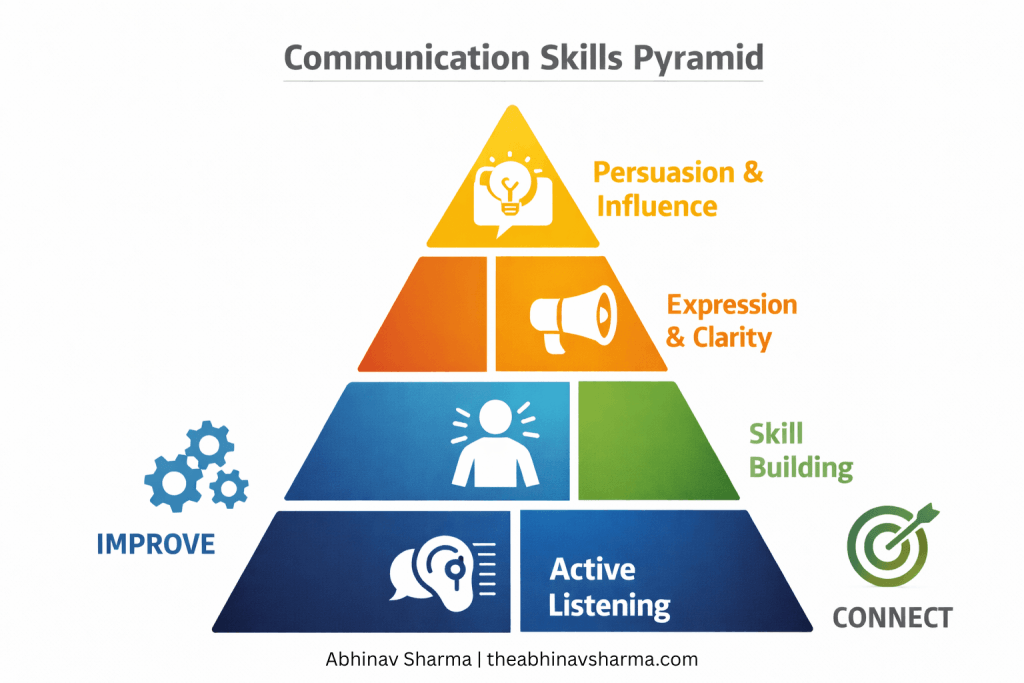
Strong communication is another pillar of personality development. In school, college or the workplace, being able to convey your ideas clearly and listen actively makes all the difference. Research and expert advice emphasize several key communication skills:
- Be Clear and Concise: Organize your thoughts before speaking or writing. Harvard Business School recommends defining your goals and audience to ensure your message is focused. Use simple, direct language and avoid unnecessary jargon. For example, before a class discussion or job interview, plan the points you want to make. This preparation helps you avoid rambling and keeps listeners engaged. Clarity also applies to written communication: proofread emails and reports to make sure each sentence advances your message. Clear communication shows respect for others’ time and ensures your ideas aren’t lost in confusion.
- Prepare and Practice: For important conversations (presentations, interviews, debates), preparation is key. Harvard advises thinking through the entire communication: research facts, anticipate questions, and rehearse possible objections. This doesn’t mean memorizing a script, but rather visualizing how the exchange might go. The better prepared you are, the more calmly you can respond on the spot. In general conversation, listening to others first and then framing your points also shows thoughtfulness. Practice speaking up in class or study groups – each time you communicate, you learn something about timing and tone.
- Mind Your Nonverbal Signals: Over 65–90% of communication impact comes from body language, facial expression and tone. This means how you say something is often as important as what you say. For instance, slouching or avoiding eye contact can make even a good idea seem unconvincing. Conversely, a confident posture and friendly smile reinforce positive messages. Harvard notes that “our facial expressions, gestures, and body language often say more than words”. Practice mirroring open gestures (uncross your arms, maintain an upright posture) and making steady eye contact. Also watch your tone: speak at an even volume (loud enough to be heard, not shouting) and use intonation to emphasize key points. Politeness and appropriate humor can lighten interactions, but remember that negative tone (anger or sarcasm) quickly creates misunderstanding. When unsure, recording or getting feedback on your body language can be enlightening.
- Active Listening: Communication is two-way. Listening well earns respect and provides information. Harvard describes active listening as giving “full and undivided attention” and avoiding interruptions. When someone else speaks, try to really understand their perspective before replying. Nod, make brief verbal acknowledgements (“I see,” “That makes sense”) and refrain from formulating your response mid-sentence. After they finish, paraphrase or ask open-ended questions to confirm you got it (“So you’re saying that…?”). This shows you value the speaker’s ideas and helps you grasp subtleties. Practicing this in classes or group projects leads to deeper discussions and less miscommunication. In essence, active listening turns conversations into productive exchanges and builds stronger relationships.
- Develop Emotional Intelligence (EQ): Effective communication often hinges on understanding emotions – both yours and others’. Emotional intelligence means recognizing feelings and responding appropriately. Harvard notes that without managing your own emotions and empathizing with others, communication can falter. For example, if you notice a peer looks frustrated, you might ask, “Is there something bothering you with this project?” instead of pressing on. Managing stress (deep breathing before speaking) helps you stay calm. Cultivating empathy – genuinely caring about others’ perspectives – makes your words more trustworthy and your feedback more sensitive. Over time, high EQ makes it easier to navigate conflicts and present ideas in ways others are receptive to.
In practice, work on one communication skill at a time. For instance, join a club like debate, a presentation workshop, or even an online course (TED-Ed talks on public speaking are free). Get regular feedback: ask a friend to listen to you speak or read your writing. Remember that clarity and listening are skills that improve with conscious effort. By combining these practices – clarity, preparation, body language, listening and empathy – you’ll communicate confidently in classrooms, on Zoom calls, and in professional settings.
Daily Habits for Growth
Long-term growth comes from consistent daily habits. Establishing a routine filled with constructive habits can incrementally build your personality and capabilities. Research shows that people who succeed (e.g. maintain health or good grades) often follow stable routines, not one-off efforts. Here are evidence-based habits to include each day:
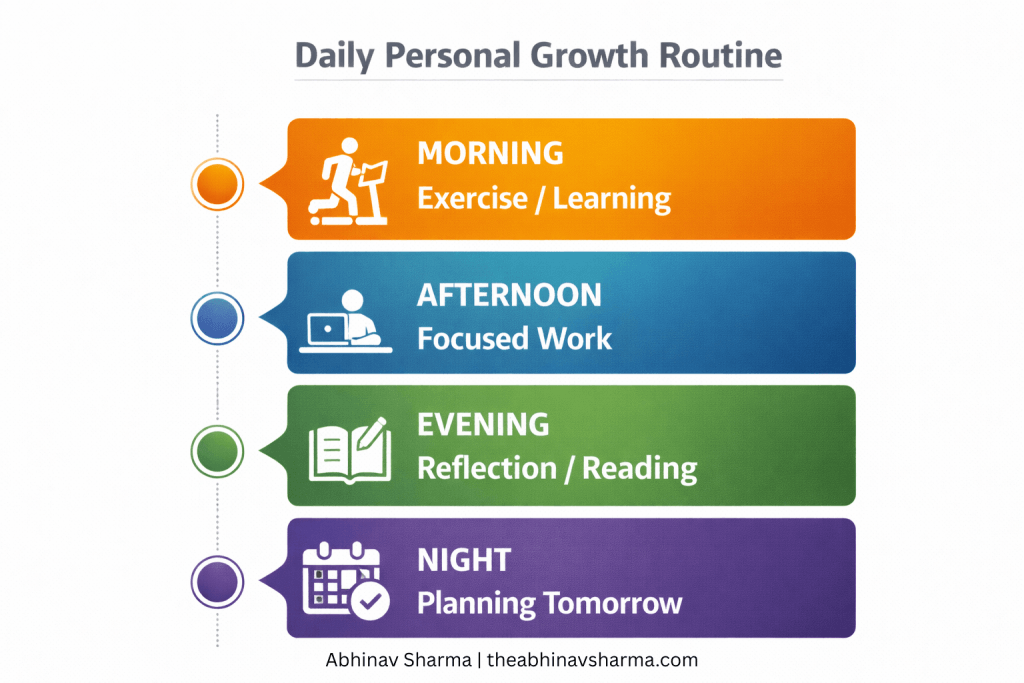
- Morning Routine: How you start your day sets the tone. Incorporate a brief moment of quiet or mindfulness before diving into work. Even 5–10 minutes of meditation, deep breathing, or simple reflection can reduce stress and enhance focus for hours. As Duke University psychologists note, waking up to intentionally do something you enjoy (like sipping coffee slowly or reading) sends you into the day with “purposeful intention”. Pair this with some light exercise: walking, jogging or yoga first thing boosts endorphins and wakefulness. The CDC recommends at least 150 minutes of moderate activity per week (about 30 minutes a day). Consistent exercise has been shown to improve mood and cognitive function, and even a short 15-minute workout can enhance concentration for the rest of the day.
- Nutritious Breakfast: A balanced breakfast fuels both body and brain. Skipping breakfast leaves many students drained and irritable; instead, plan a meal with whole grains, protein and fruit. For example, whole-grain toast or oatmeal provides slow-release energy, protein (eggs, yogurt or nuts) keeps you full longer, and fruit adds vitamins and fiber. Studies cited by Duke show such a breakfast stabilizes blood sugar and sustains concentration. In contrast, sugary or processed breakfasts may spike energy then crash, undermining focus. Preparing something simple the night before (overnight oats, pre-packed smoothies) makes a healthy start realistic.
- Regular Learning: Challenge your mind every day. This can be academic (reading a book chapter, solving problems) or broader (learning a new language word, following a tutorial on a skill). The brain thrives on novelty; according to positive psychology, consistently learning something new builds cognitive confidence and curiosity. Even 15–30 minutes of focused study or skill practice daily adds up over time. To make it routine, schedule a “learning time” block: it could be reading, listening to an educational podcast, or practicing a hobby. Reflect on what you learned each day to reinforce knowledge.
- Personal Reflection: Spend a few minutes each evening reflecting on your day. Journaling or mentally reviewing what went well (and what could improve) builds self-awareness. The habit of reflection – asking “What did I accomplish? What challenges did I overcome?” – helps you recognize your growth and areas to develop. Psychologists emphasize self-awareness as the first step to change. By identifying limiting habits or thoughts (e.g. “I felt anxious before speaking up”), you can plan next-day strategies (like practicing that point or doing a prep exercise). Over weeks, this habit aligns your daily actions with your goals.
- Mindfulness or Relaxation: Incorporate stress-management into your routine. Simple practices like deep breathing for 2 minutes, listening to calm music, or a brief guided meditation can reset your mind during the day. Research links mindfulness to reduced anxiety and better emotion regulation, which in turn supports growth mindset. For instance, mindfulness meditation has been shown to lower rumination (negative cycles of thought). If formal meditation feels hard, try walking outside without your phone or doing a quick progressive muscle relaxation. The key is consistency: even short habits (waking without checking the phone, or a quick gratitude list) can reinforce a positive, calm mindset over time.
- Reading and Inspiration: Read broadly to gain new perspectives. As [53] suggests, books on self-improvement, psychology or biographies expose you to others’ experiences. Start with a few pages each morning or night. Beyond books, follow a motivational podcast or channel relevant to your interests. Consuming uplifting, educational content daily nurtures curiosity and positivity, both of which are essential for personality growth.
The science of habits also tells us to structure our day. Creating routines (consistent wake/sleep times, work-study blocks, etc.) builds automaticity. Studies show people in “good health engage in highly routine behaviors” (same meals, exercise habits, sleep schedule). When you repeat a positive routine, less willpower is needed over time – it becomes your normal. That leaves more energy for focus and learning. Over weeks and months, small daily improvements accumulate into significant personal development.
If you want to build a strong routine, read my article on 10 Daily Habits That Can Transform Your Life.
Time Management Strategies
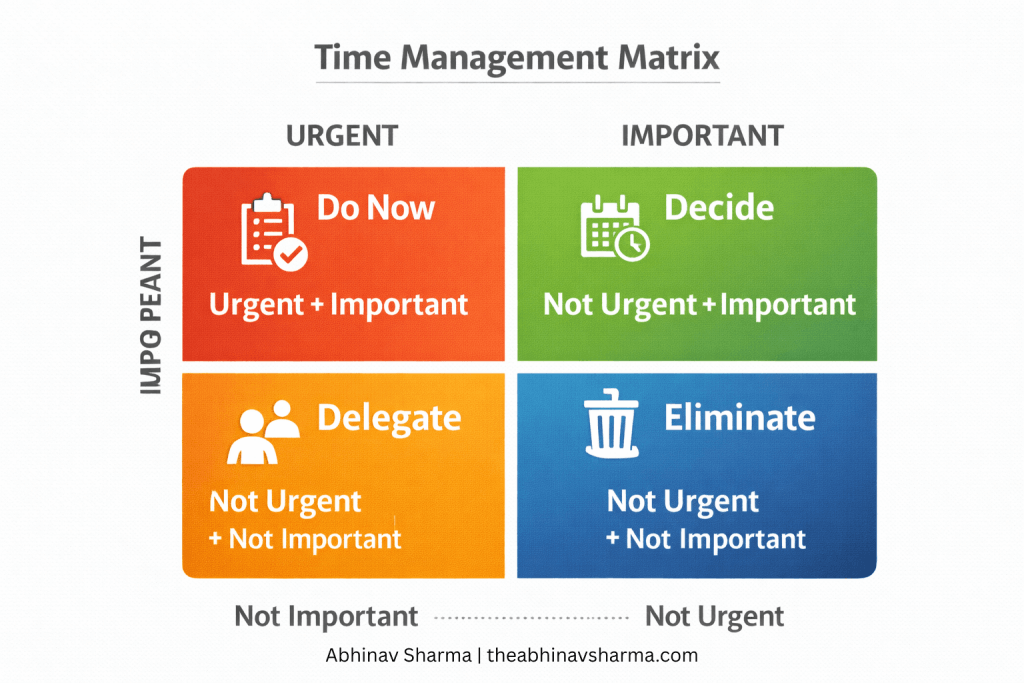
Good time management underpins growth by freeing up space for learning and self-improvement. Several practical strategies, supported by education experts, can help students take control of their schedules:
- Use a Calendar and Planner: Write down all deadlines, exams, meetings, and commitments on one master calendar. This gives you a big-picture view of the semester or workweek. Harvard advises checking your calendar every day and integrating it with tools you use (phone alerts, academic apps). For each task, set reminders a few days ahead and on the day itself. These alerts catch small tasks (e.g. finishing a reading or preparing for a quiz) before they slip. Treat the calendar as your “commitment device”: if it’s written, it’s real. This prevents surprises like realizing last-minute that two assignments conflict on the same day.
- Build a Personalized Schedule: Create a daily or weekly plan that fits your rhythm. Note fixed obligations (classes, labs, part-time job) and then block study or project time around them. For example, if you’re most alert in the morning, schedule your hardest work then; save easier or creative tasks for when your energy dips. Include short breaks to recharge (see next point). A flexible but disciplined schedule helps you use time efficiently without burnout. Over time, this routine makes it obvious if you’re overcommitted and need to adjust.
- Prioritize Tasks: When everything is important, it helps to rank tasks by urgency and impact. Harvard recommends pausing to ask: Which deadlines are truly urgent? Which tasks require immediate focus?. For example, final exams and large projects typically trump a quick discussion post. Also consider your energy: do a quick tidy-up or answer emails during a tired afternoon, and tackle difficult work when fresh. If overwhelmed, don’t hesitate to postpone non-essential tasks or say no to new commitments. Crossing off even minor tasks early (like replying to a short email or organizing notes) can relieve stress and build momentum for the bigger tasks.
- Make Time for Breaks and Fun: Ironically, scheduling downtime improves productivity. Harvard stresses that “time management isn’t just about getting work done” – it’s also about mental health. Block out time each day for relaxation or hobbies you enjoy. Whether it’s an evening jog, video chat with a friend, or weekend sleep-in, these breaks are not wasted time. They recharge your focus and make studying sustainable. Knowing you have fun activities planned can also motivate you through difficult weeks. In short, integrate self-care into your schedule as a priority, not an afterthought.
- Find Support: Accountability can boost time management. Pair up with a study buddy or join a group project where you keep each other on track. Let peers or family know your schedule so they can help you stick to it (e.g. reminding you of deadlines). Also, use school resources: tutors, academic workshops, or time-management seminars can provide guidance. Harvard notes that even the best plans sometimes slip, and having an accountability partner or mentor helps you get back on track.
- Be Realistic and Flexible: Finally, build buffers into your schedule for the unexpected. Overestimating what you can do in a day leads to frustration. Harvard advises being realistic about your workload and leaving “wiggle room”. If a plan doesn’t work, adapt it. Sometimes tasks take longer or emergencies happen; that’s normal. By expecting change, you reduce stress when it occurs. Remember: time management means balancing structure with flexibility. The goal is progress, not perfection.
By systematically planning, prioritizing, and allowing for breaks, you create a stable platform for growth. Time management gives you the time to apply confidence techniques, practice communication skills, and maintain healthy habits – so don’t neglect this foundational skill.
Mistakes That Destroy Personality Growth
While building personality, be aware of common pitfalls that can undermine progress. Avoiding these mistakes is as important as adopting good habits:
- Negative Self-Talk and Perfectionism: Constant self-criticism is toxic. As psychology experts warn, harsh self-talk is linked to anxiety, depression and stress. A perfectionist mindset (“If I’m not perfect, I fail”) often leads to paralysis or giving up. Instead of letting “I’m so bad at this” thoughts spiral, practice self-compassion. Recognize that everyone makes mistakes and that criticism should be constructive, not crushing. Research shows that learning to treat yourself kindly (self-compassion) actually helps you learn and grow more than relentless self-critique. Remember: nobody attains confidence or skill without facing failures. A better strategy is to acknowledge small wins and view setbacks as temporary hurdles. Shifting from negative to supportive self-talk (even silently) can significantly improve motivation and well-being.
- Procrastination: Putting off important tasks steals momentum and creates anxiety. Numerous studies find procrastination is strongly associated with higher stress and poorer outcomes. For students, this often looks like cramming or skipping studying until the last minute, which hampers learning and confidence. To counter this, use the time-management strategies above (calendars, priorities) and break large projects into bite-sized steps. Notice if you delay tasks because they feel unpleasant, and then consciously decide on a small action (“just write one paragraph first”). Over time, stopping the procrastination habit will improve both productivity and self-esteem.
- Fear of Failure and Avoiding Challenges: Growth requires stepping out of your comfort zone. Many people sabotage themselves by avoiding risks: staying silent in class, not applying for opportunities, or sticking to “easy” tasks. While comfort feels safe, it prevents improvement. The Harvard Business Review reminds us that “failing to take advantage of the opportunities mistakes present may be the biggest leadership mistake of all”. In other words, not learning from errors is more damaging than the errors themselves. If fear arises (“What if I make a fool of myself?”), reframe it as a chance to learn. Start by taking small risks in a supportive environment (like a club or peer group) and reflecting on what you gained. If you stumble, examine what happened and how to fix it rather than giving up.
- Not Seeking Feedback: Assuming you know everything about how others perceive you can blindside you. For instance, an otherwise brilliant student might unknowingly come across as arrogant or timid. Avoid this by asking for feedback from friends, mentors, or teachers about your behavior and communication style. As Lumino Consultancy suggests, seeking feedback is a key way to gain insights into yourself. When feedback is hard to hear, remember it’s meant to help you grow. Ignoring it (or getting defensive) is a mistake that stunts development. Embrace constructive criticism – it identifies blind spots and accelerates improvement.
- Fixed Mindset: Believing that talents or personality are unchangeable limits you. If you think “I’ll never be good at speaking” or “People are just extroverts or not,” you stop trying. Research by Carol Dweck and others shows that a growth mindset (the belief that abilities can improve) is crucial for success. Remind yourself that skills can be learned. If you struggle socially or academically, view it as a temporary stage that practice and perseverance can overcome. A fixed mindset often leads to giving up early; a growth mindset drives you to persist through difficulties.
- Overcommitting and Burnout: Trying to do everything at once can backfire. Some students pile on extracurriculars or overload their schedules, believing it will help them, but this often leads to exhaustion and decreased performance. It’s better to do a few things well than many things poorly. When you’re burned out, your confidence, focus and mood suffer – the opposite of personality growth. Learn to say no when your plate is full and prioritize tasks (as discussed in time management). Balance is key to sustainable growth.
In summary, treat mistakes and setbacks as part of the learning process, not the end of the road. Avoid the temptation to dwell on errors. Instead, analyze what happened, adjust your approach, and try again. By steering clear of excessive self-criticism, procrastination, fear, and rigidity, you create a mindset where every experience – good or bad – becomes an opportunity to develop your character.
My Perspective on Personality Development
Through my personal journey of self-improvement and professional experience, I have learned that personality development is not a destination. It is a lifelong process.
Many people believe confidence appears suddenly after reading books or attending seminars. In reality, confidence grows through consistent effort, discipline, and learning from failures.
True personality development occurs when individuals:
• Accept their imperfections
• Remain curious about learning
• Embrace challenges rather than avoiding them
• Build habits that strengthen character over time
Small daily improvements eventually transform the way a person thinks, communicates, and leads.
You can also read my personal story and lessons from my self-development journey.
Final Thoughts
Personality development is one of the most valuable investments a student or young professional can make.
By strengthening confidence, improving communication, developing disciplined habits, and managing time effectively, individuals build a foundation for long-term success.
Growth does not require dramatic overnight changes. It requires consistent effort and self-awareness.
Every step taken toward improvement contributes to becoming a stronger and more capable individual.
Frequently Asked Questions
Personality development is the process of improving qualities such as confidence, communication skills, emotional intelligence, discipline, and mindset to become a more effective and self-aware individual.
Self-awareness is the foundation of personality development. Understanding your strengths and weaknesses helps guide meaningful improvement.
Yes. Personality evolves through experiences, habits, and conscious self-improvement.
It is a continuous lifelong process. However, noticeable improvements can occur within months through consistent effort.
Daily learning, disciplined routines, positive communication, and emotional control significantly improve personality.
The five core elements of personality development are confidence, communication skills, emotional intelligence, self-awareness, and discipline. These qualities help individuals improve their behavior, relationships, and professional growth.
Personality development helps students build confidence, improve communication, develop leadership abilities, and prepare for future career opportunities.
Important personality development skills include self-awareness, confidence, communication skills, emotional intelligence, adaptability, and discipline.
Daily habits such as reading, exercising, practicing communication, reflecting on personal behavior, and setting clear goals can significantly improve personality over time.
Confidence allows individuals to express ideas clearly, take initiative, and build stronger relationships, making it a key element of personality development.
Young professionals can improve personality by developing communication skills, managing time effectively, building discipline, and continuously learning new skills.